The Local Plan

Preparing a local plan is one of the most complex and legally demanding processes a planning authority undertakes. It involves multiple statutory consultation stages, each with their own legal requirements, audiences and objectives, sustained over what can be several years of work. The evidence base has to be robust, the community engagement has to be genuine, and the documentation has to be thorough enough to withstand independent examination.
The stakes have rarely been higher. The new plan-making system, which came into force in March 2026, introduces a 30-month process with three gateway checkpoints and an expectation that mandatory consultations are used meaningfully rather than treated as procedural boxes to tick. With fewer than a third of local planning authorities currently holding an up-to-date local plan, and mandatory housing targets now firmly in place, the pressure to get plans adopted quickly and soundly is significant.
Citizen Space gives planning teams a single platform to manage the whole process, from early engagement through to examination, keeping everything consistent, transparent and auditable along the way.
One platform for every stage of the journey
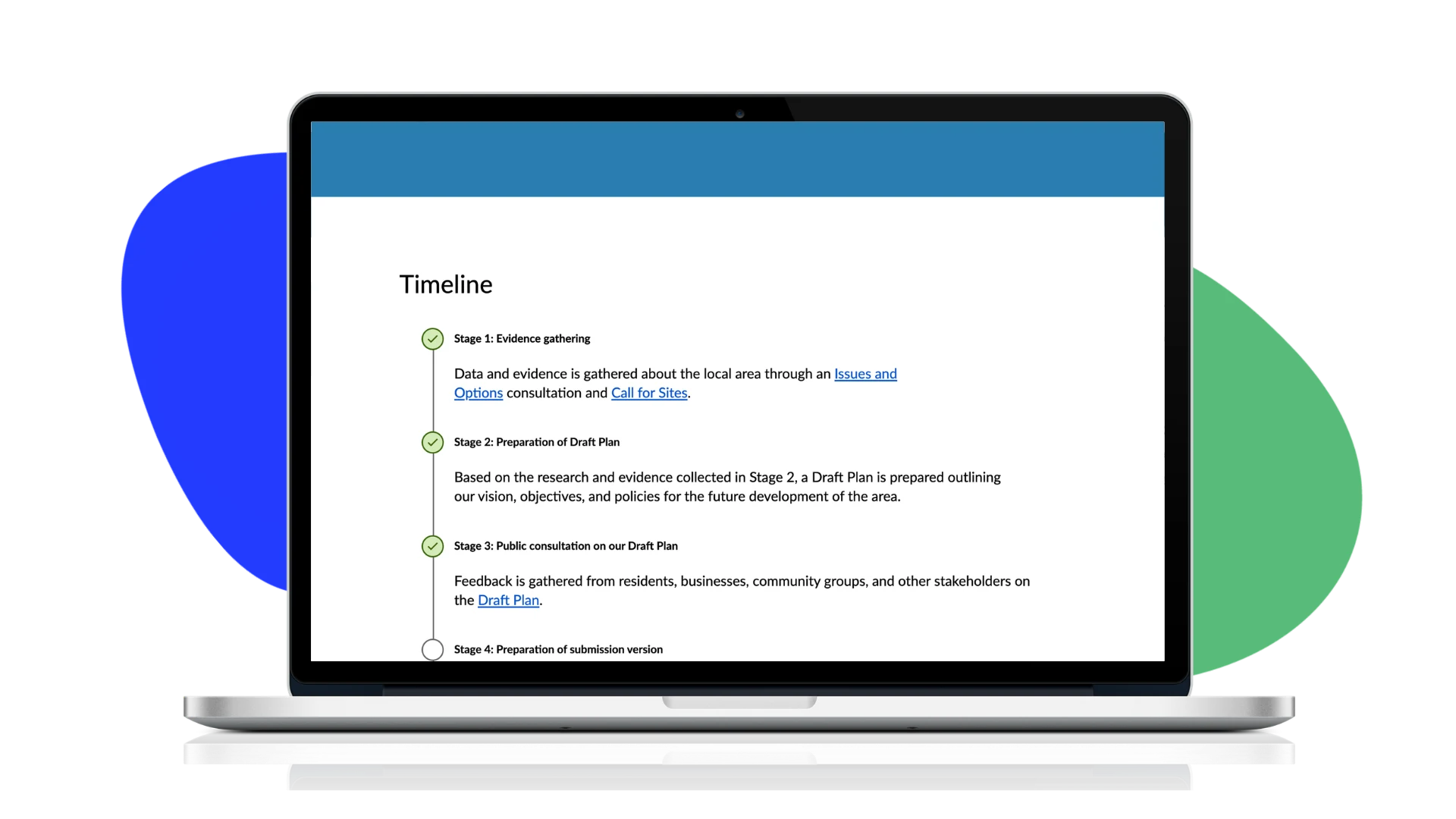
A local plan moves through distinct stages, from issues and options and call for sites through draft plan consultation, Regulation 19 soundness testing, and ultimately submission and examination. Each stage has different consultation requirements, different audiences and different objectives. Managing those stages across different tools, or rebuilding from scratch each time, creates unnecessary administrative burden and risks inconsistency in the evidence you collect.
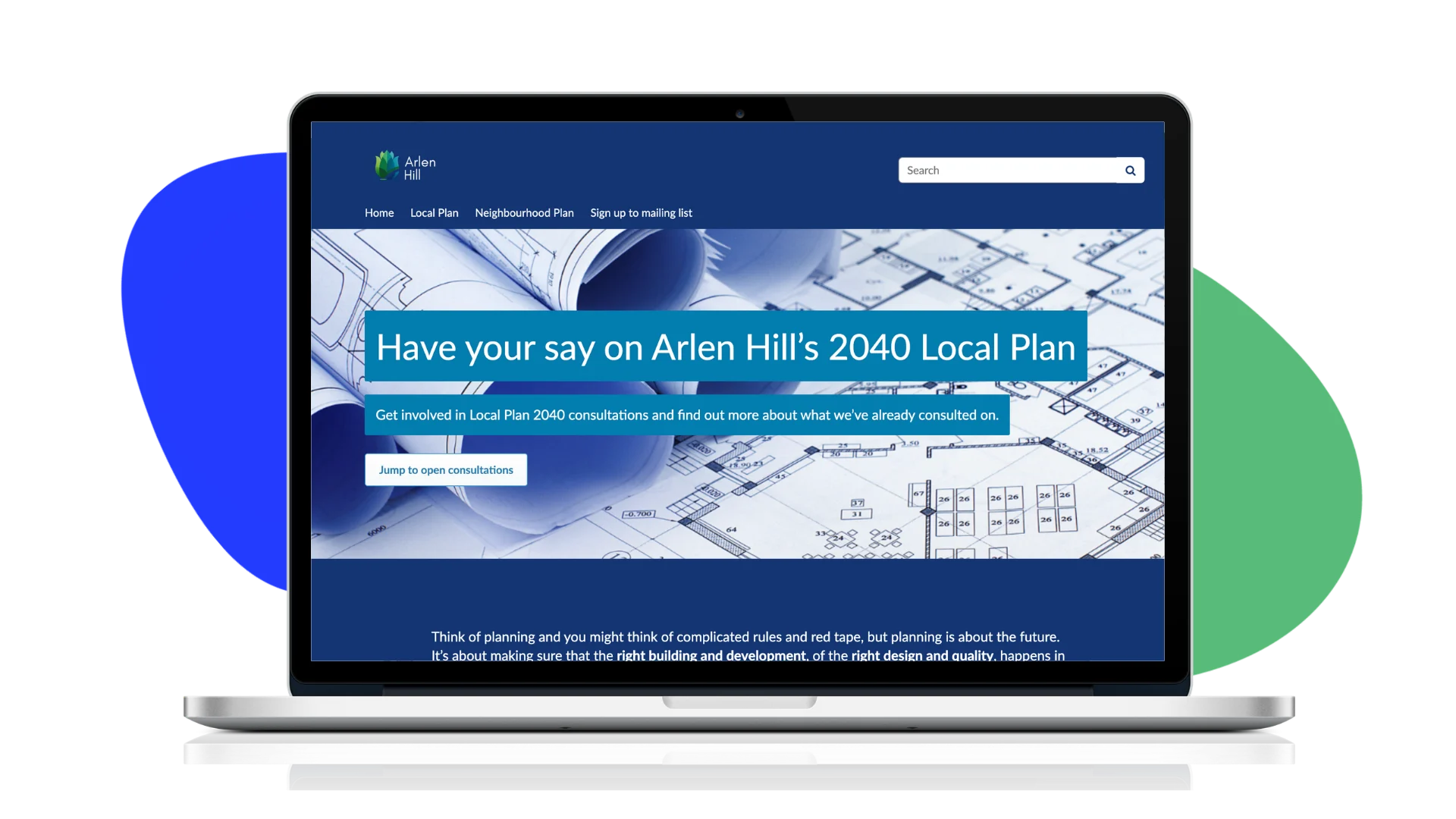
With Citizen Space, every stage of the plan sits within the same branded platform, organised under a single local plan section that residents can return to throughout the process. They can see where the plan has reached, what has already been consulted on, and what is currently open for comment. That continuity matters. A community that can follow the journey from beginning to end is more likely to stay engaged throughout, and more likely to trust the outcome when the plan is finally adopted.
Structured engagement that produces usable evidence
The quality of a local plan examination depends heavily on the quality of the evidence gathered during consultation. Citizen Space structures responses from the point of collection. Flexible question and answer components make it easy for respondents can feed back on the topics and policies that matter most to them, rather than working through an entire document before they can have their say. That improves both the quality of individual responses and the overall response rate, because people are more likely to complete a consultation that respects their time and meets them where their interest lies.
Responses can be tagged, coded, filtered and cross-referenced within the platform, and the secure data API allows integration with data visualisation tools like Power BI and other systems your team already uses. One-click reports in PDF or Word format mean you can generate consultation summaries quickly at any stage, and full data exports are available at any time in formats that feed directly into the wider evidence base.
Built to hold up at examination
A local plan consultation has to be defensible. Citizen Space keeps a clear audit trail of what was asked, when it was published, and what was received. Response publishing and moderation tools allow you to share submissions with the public directly on the platform, demonstrating openness and transparency throughout the process. Whether you are progressing a plan under the existing regulations ahead of the December 2026 submission deadline or starting fresh under the new 30-month gateway system, Citizen Space gives you a process that is structured, transparent and ready for scrutiny.

Closing the loop after every stage
One of the most important things a planning authority can do to build public confidence in the local plan process is show people that their responses made a difference. Citizen Space's we asked, you said, we did feature lets you publish clear, policy-level summaries of what feedback was received and what changes were made as a result, directly on the platform alongside the next stage of consultation.
That means a resident who commented on your biodiversity policies at draft stage, or raised concerns about flood risk or housing mix, can come back to the same place and see exactly how their input was considered and what changed as a result. That kind of transparency is not just good practice, it is what turns a one-off consultation into an ongoing relationship with the community you are planning for, and it significantly reduces the friction that builds up when communities feel unheard between consultation rounds.
Keeping communities engaged between consultations
Local plan making is not just about formal consultation windows. Citizen Space lets you manage event registrations alongside your consultation activities, so residents can sign up for in-person exhibitions, meet the planners sessions, and online Q&As all within the same platform they use to respond formally. A mailing list sign-up means you can keep interested residents informed as the plan progresses, so that when the next consultation stage opens you are not starting from scratch in terms of reach and awareness.
Showing proposals in their spatial context
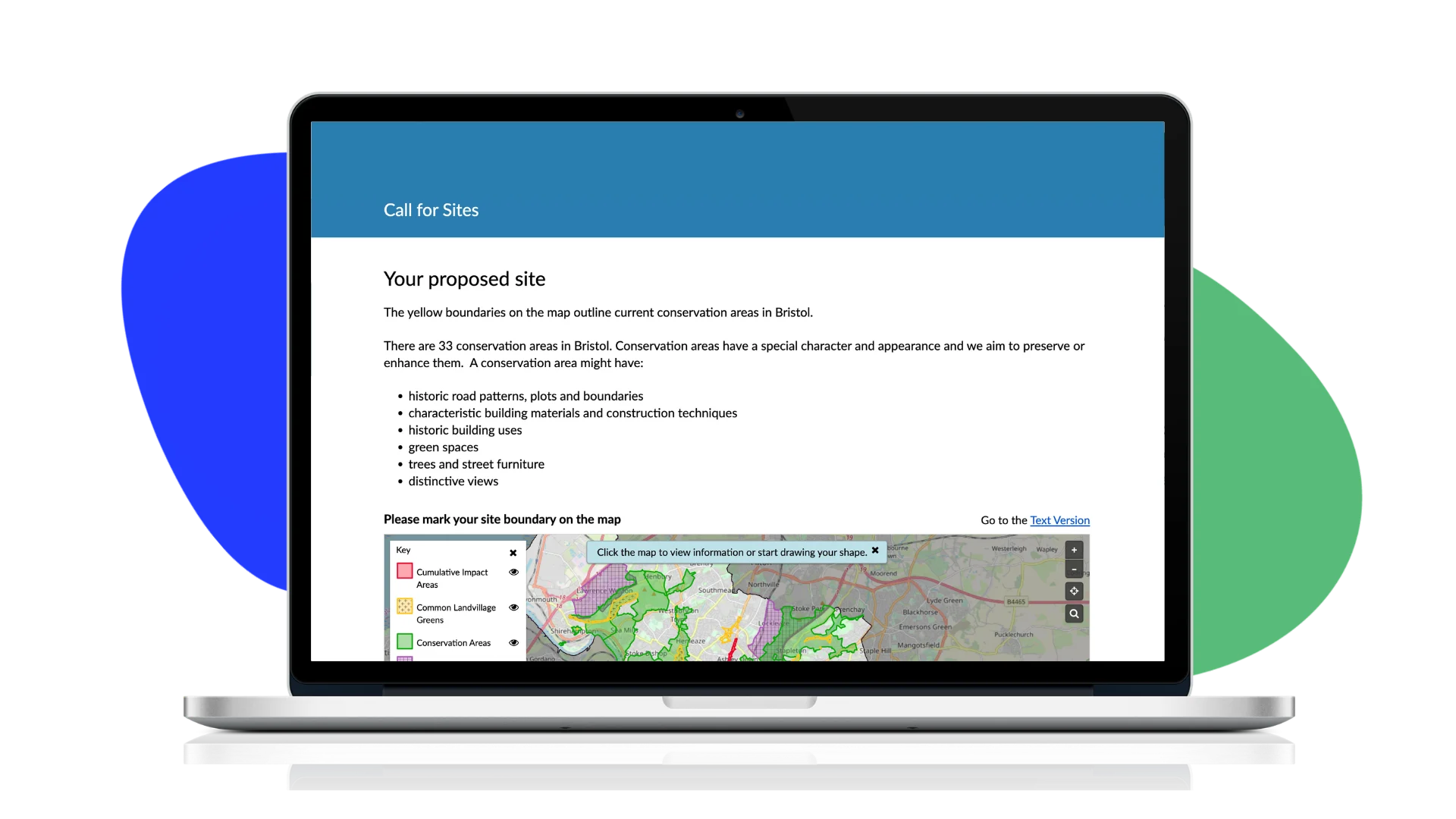
For the stages of a local plan where location really matters, particularly housing allocations and site-specific policies, Citizen Space Geospatial lets you embed interactive maps directly into consultation activities. Residents can see exactly where proposed development sites are, explore allocations in geographic context, and respond with location-specific feedback rather than commenting on abstract policy text. That produces better quality responses and a more useful evidence base, and it makes the consultation considerably more accessible to people who find planning documents difficult to navigate without a visual anchor.
Whether you are starting early engagement, working through the statutory stages, or preparing for examination, we can help. Book a demo and we will show you how Citizen Space supports the full local plan journey, from first publication through to adopted plan.