What gets lost when engagement lives in multiple systems

When engagement activities are conducted using multiple systems, the risk of data being lost or misunderstood grows substantially. This is particularly true when data is held in legacy systems that are rarely fit for purpose and often rely on the expertise of specific individuals. The following article explores why this can happen, what the risks of these practices are and how best to combat them.
Why does data end up in multiple systems?
In an ideal world, all the data you need to make consistent decisions based on accurate information would be easily available in one place. However, for those not using purpose-built engagement software, there are a number of reasons that data from related activities may end up living in different systems.
Different teams
Different teams will often do things in different ways. Even where a team is operating within the same organisation and working on similar or related projects, there can still be significant divergence. This can occur when:
- Team leadership differs, particularly when the leaders themselves were trained on different systems.
- The make-up of a team is different. Analysts from different backgrounds may be more comfortable or familiar with certain tools over others.
- Different challenges. Even a team working on a very similar engagement activity may end up using a different system if they encounter specific local pressures or differing priorities.
While processes can be formalised and established across an entire organisation, it is difficult to fully align teams without the ability to easily see and compare activities.
Different times
Engagement activities - particularly more formal activities such as statutory consultations - must often preserve their data and reports for many years. A consultation on a Local Plan for example, is likely to be referred to and perhaps challenged for decades to come. That means that it is essential that organisations can easily find, understand and justify their past decisions using the contributions they received at the time and their own analyses.
However, this is often more complex than it first appears. If a different system was used to collect the data than decision-makers are now using, it may be more difficult to interpret. This becomes particularly difficult when attempting to compare decisions, such as where fairness across a given area is called into question. If the data from one consultation is more comprehensible than another, it is harder to defend that they were conducted on equal grounds. Sometimes, activity inputs may end up living across multiple legacy systems that don’t easily “talk to” a new system, which causes huge administrative headaches for facilitators.
Different technology
Of course, the single most significant reason that data ends up living in different systems is the use of different technology. Facilitators using legacy technology may be forced to rely on general-purpose software that has been modified for their uses; excel spreadsheets, gravity forms, shared inboxes and locally stored documents. As these tools were not built for purpose, it was a given that data had to be dealt with across multiple systems.
In present times, it is therefore increasingly common for those facilitating engagement activities to use custom-built engagement platforms. These platforms allow inputs to be gathered, analysed, and fed back on in a single place, avoiding the need for multiple systems.
What are the risks of using multiple systems

Some of the risks of using multiple systems have been outlined above, but it is worth considering exactly how significant the impact of this practice could be on a given activity. While many acknowledge that this is bad practice, it is often hard to understand how badly it can go wrong until it already has.
Data loss
Perhaps the most obvious risk is losing data entirely. Examples of how this might happen include:
- Locally stored files being lost when the computer they were stored on stops working, or a hard-drive is accidentally wiped.
- The company running an outdated legacy technology withdraws technical support or archives files.
- Email chains containing vital context are deleted, either by a person or by the system after a long period of time.
- Cyber crime. Attempts to steal data - itself a risk on unsecured platforms - can also lead to data being wiped.
If data from engagement activities is lost entirely, then it is impossible to use the information to inform future consultations. It can also cause a significant legal issue if a statutory consultation process is ever challenged, which can lead to consultations having to be repeated or large projects being halted.
Loss of context
While data loss is probably the worst outcome, it is also relatively easy to guard against total loss. In most cases, important engagement inputs are backed up somewhere, or even available in physical form stored away somewhere. What is much more common, but almost as problematic is the loss of context.
Context loss happens when data is retained, but related information is lost. This may include:
- The exact wording of questions. If only inputs are retained, one may be able to surmise what the question was, but without the exact wording there can be a serious loss of context.
- What explanatory information was provided to participants. Particularly for large-scale consultations, there will usually be a number of supporting documents that participants can use to inform their responses. Without access to those documents, you may find there are several responses that refer to the documents that can no longer be understood.
- Loss of local context. No engagement activity exists within a vacuum. While those facilitating a given activity may have understood a local context issue, that may have been forgotten when it is later reviewed. For example, a planning application for a small number of houses may generate a large number of objections. A facilitator looking back on this may be confused as to why, because the context of another neighbouring large development has been lost over time.
Differing perspectives
When data is analysed by humans, it is inevitable that there will be some degree of individuality applied to the process. This is not necessarily a bad thing, as analysts bring their own experience and skills to the table and unique perspectives may highlight things that would otherwise have been missed.
However, when information is stored in different systems, this can create unnatural divergences in perspective. If one system presents information in a way that differs significantly from another, then it is likely that it will cause those interpreting the information to perceive that information differently. Small differences over time can add up to differences in decision-making and procedural unfairness.
How to avoid losing data and context over time
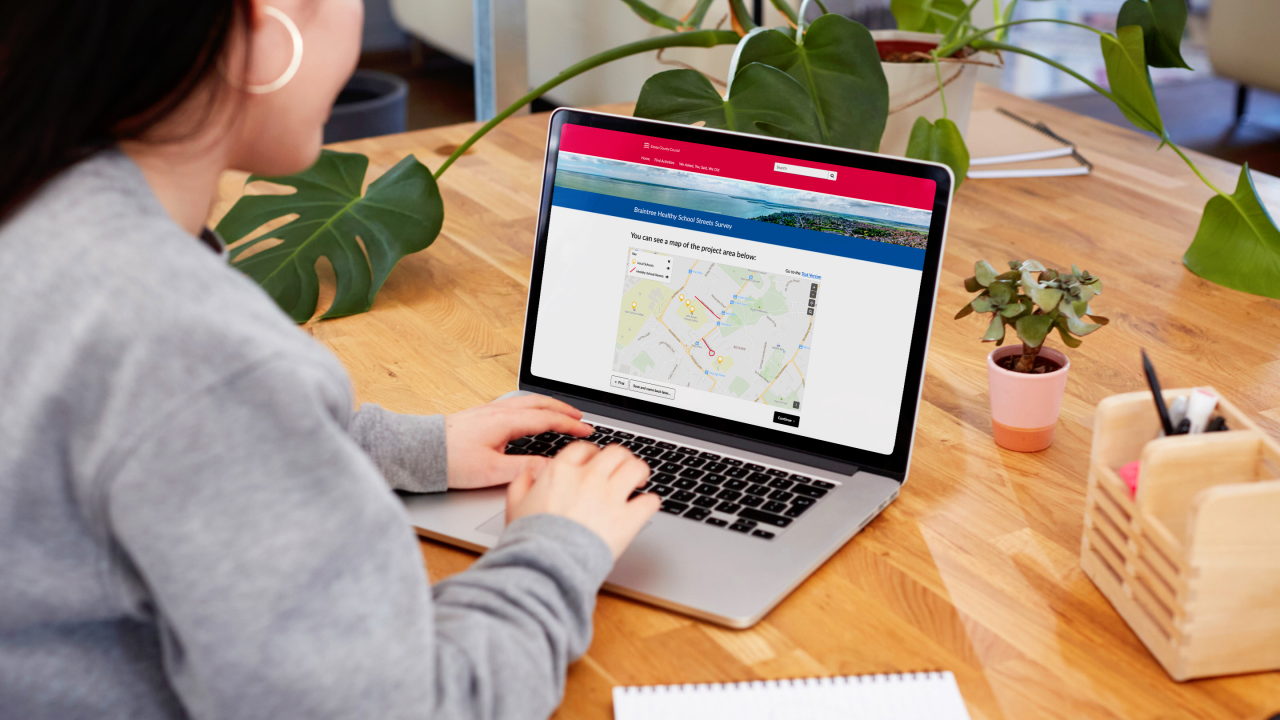
Clearly any organisation would prefer to retain both data and context as accurately as possible over time. Thankfully, achieving this has become significantly easier in recent years through the use of GovTech tools and the associated improvement to workflows and processes.
Purpose-built platforms
As mentioned throughout this article, the single most important innovation in ensuring data integrity and organisational resilience has been the growing use of engagement platforms like Citizen Space.
These platforms are purpose-built for engaging citizens. Whether it’s a public consultation, a geospatial mapping exercise, participatory budgeting or in-person events, the platform can provide everything facilitators need to ask questions, analyse responses and feed back to participants.
One of the most important features for ensuring consistency is centralised management. Previous processes using multiple systems made it difficult to see exactly how data was being used and where it was being stored.
Through platforms like Citizen Space, a single dashboard can be used for an entire organisation, which allows oversight from decision-makers and lets different teams easily see how similar activities have been conducted.
Ensuring processes are well-established
While engagement platforms have taken away a large proportion of the burden associated with ensuring data integrity and consistency, it is still the responsibility of the organisation to ensure that processes are well established.
A useful tool for this is the use of pre-built templates. Once a certain engagement activity has been conducted once, it can easily be turned into an editable template for future activities. This reduces unnecessary differentiations between activities. Workflows too can be easily copied and refitted to future engagement. The central dashboard can be used to ensure that established processes are being adhered to across teams.
Creating a continuity culture
Finally, it is necessary to create a continuity culture. The true benefits of engagement platforms become clear when they are used consistently over long periods of time, allowing information to be easily stored and viewed in one place.
However, for these tools to remain useful even over many years, it is essential that teams and managers are regularly trained on the platform. Attending webinars and training does not take a great deal of time, but allows facilitators to keep up with changes to the platform and take advantage of any new tools. When new managers and teams are onboarded, making sure they fully understand the platform is key to creating consistent, long-term data integrity.
Citizen Space is the go-to govtech platform for engaging with citizens, managing large scale citizen engagement activities. If you’d like to learn more about how our software can be used to maintain data integrity, book a free demo today.
Sign up for the Delib newsletter here to get relevant updates posted to your email inbox.