Impact in practice: Marlborough Council NZ
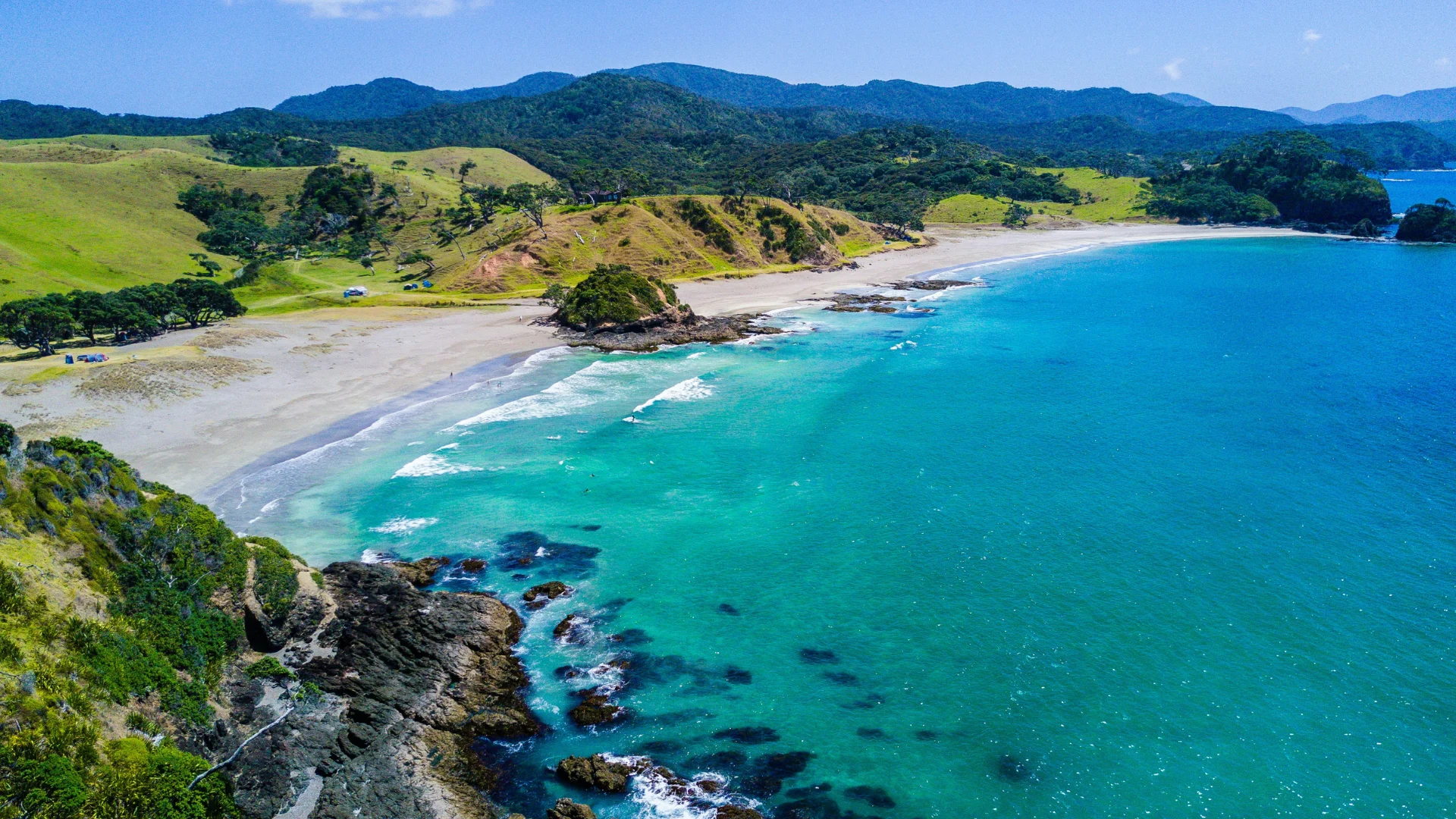
Marlborough District Council looks after the top of New Zealand's South Island, from the Marlborough Sounds and the ferry port at Picton to the wine country around Blenheim. It is one of only six unitary councils in the country, carrying the responsibilities of both a regional and a district council. That is a wide brief for a community where nearly a quarter of residents are over 65.
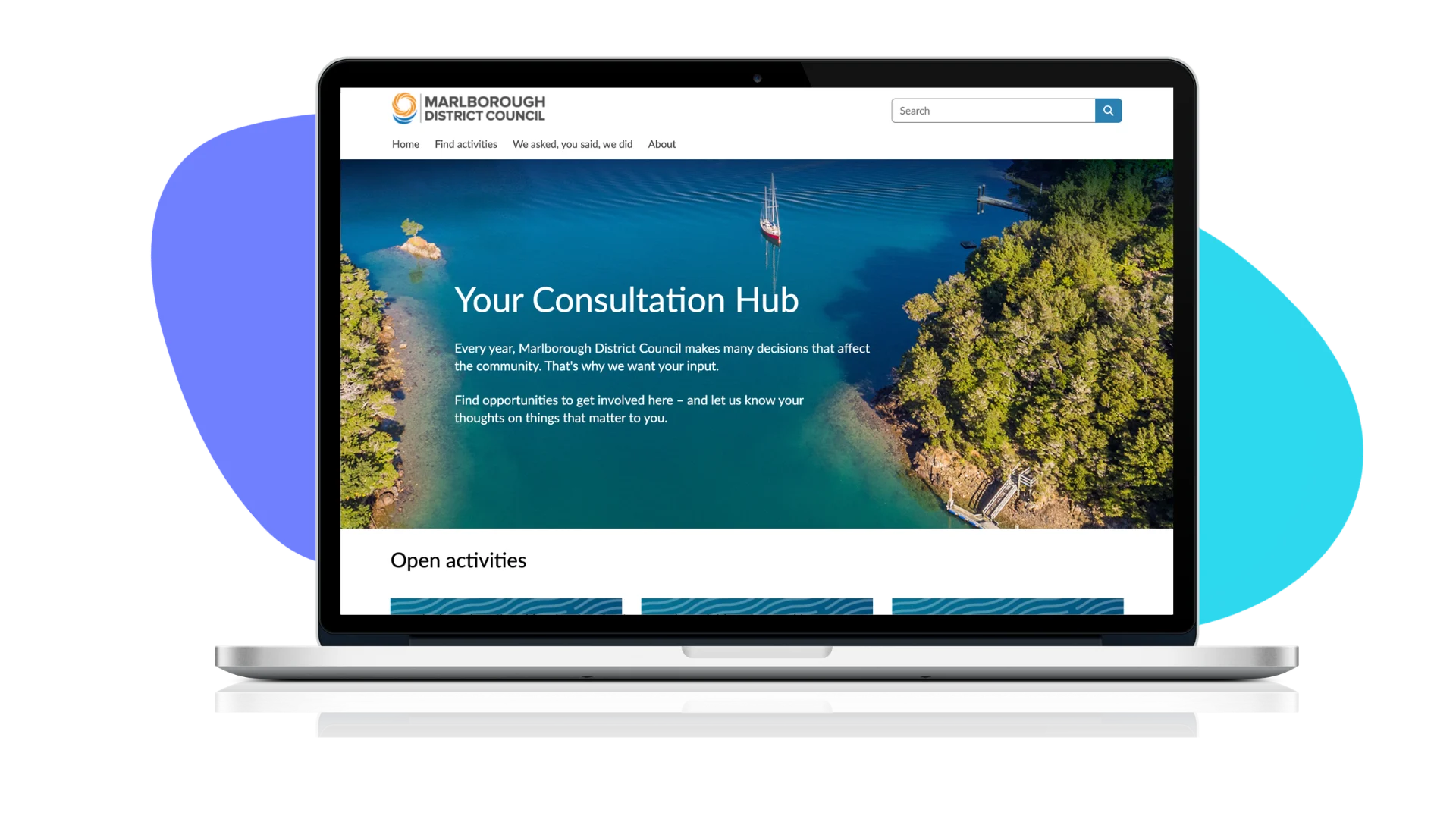
Marlborough have been using Citizen Space since 2023 and to date have published around 60 public activities. Each one helps tell the story of a council that hosts its biggest conversations and its smallest ones in exactly the same place.
From harbours to headstones
The range of activities run by Marlborough council is striking. In the space of a few months you'll find everything from a draft Cemeteries Management Plan, to a review of vehicle rules on the east coast beaches, a survey for the appearance industry, and the annual question of whether shops can open on Easter Sunday.
Some of these only exist because of Marlborough itself. The East Coast Beach Vehicle Bylaw was introduced after the 2016 Kaikōura earthquake reshaped the coastline, opening up stretches of beach that had been difficult or impossible to reach. The council has consulted on navigation safety and vessel speed on its waters, on a Civil Defence plan written in the shadow of the Alpine Fault, and on its policy for dangerous, earthquake-prone and flood-prone dams.
Others are about everyday life. A survey on play, for anyone aged 0 to 99. A review of the policy on specialist change facilities for people with complex disabilities. A community conversation about the centre of Okiwi Bay, one of the region's small townships.
Some of this is required by law. The Gambling Act 2003 and Racing Industry Act 2020, for example, require the gambling and TAB venue policies to be reviewed every three years. Some of it is a choice. When the council reviewed its waste fees in 2025, it noted that it had opted to consult because the charges affect every ratepayer.
Consultation on a calendar
Part of what makes Marlborough's record stand out is how consistent it is. Every year, building control, environmental health and resource management monitoring put their proposed fees out for comment. These are often small changes. Building fees rose 2.2% for 2025-26 and 3.1% for 2026-27, both in line with the Consumers Price Index. They still go out to the public.
In 2025, the environmental health team went further and proposed a policy allowing annual CPI adjustments, to avoid large, irregular jumps in fees. Its 2026-27 fees were still published for feedback.
The same rhythm runs through the rest of the site. Every January, pedestrian surveys feed the Blenheim and Picton Town Centre Health Checks, now in their eighth continuous year. Every year, dog owners are asked how registration went. Every three years, the gambling policy comes back for review, as it did in 2023 and again in 2026.
None of these will make headlines. But when residents know there will always be a chance to have their say, taking part becomes part of a culture of engagement rather than a reaction.
Three futures in one month
July 2026 shows what a culture of engagement makes possible when the big questions arrive.
The Government's Simplifying Local Government reforms are the most significant structural change to local government since 1989. Marlborough is already a unitary council, so it isn't required to change but it consulted anyway.
On 15 July, neighbouring Kaikōura District Council decided it wanted to develop a joint proposal with Marlborough for a single unitary council covering both districts. Marlborough's consultation on the idea had closed by 28 July, less than a fortnight later.
Three days after that, on 31 July, Marlborough 2055 closed. It asked residents what they want the region to be over the next 30 years, before a word of the next draft Long-Term Plan is written. The formal consultation on that plan will come later. This came first.
The pattern is familiar from the 2025 Local Water Done Well consultation on the future of drinking water, wastewater and stormwater services. When the questions are about the shape of the council itself, residents are asked early, and often.
That speed only works because the groundwork was already in place. When a decision with a fortnight's notice lands, there's no time to find a platform, build an audience or teach residents where to look. Marlborough had all three.
Built with partners
Many of Marlborough's activities aren't the council speaking alone.
The draft Grovetown Lagoon Management Plan builds on more than 20 years of restoration by Te Whānau Hou Grovetown Lagoon Incorporated, a cooperative partnership that includes Ngāti Rārua and Ngāti Toa. The Waikawa Bay Foreshore Reserve plan begins by recognising the reserve's significance to Te Ātiawa o Te Waka-a-Māui. Freshwater planning under the National Policy Statement for Freshwater Management ran two rounds of engagement with the community and tangata whenua. Te reo Māori runs through the site, from the Mayor's introduction to the Long-Term Plan to the tākaro/play survey for tamariki.
The partnerships reach into the community too. A survey on navigating services for older adults was developed with Grey Power Marlborough, PSUSI Te Waiharakeke and Citizens Advice Bureau Marlborough. Over-65s make up nearly a quarter of the population, and these organisations had seen their needs growing more complex.
And some threads run for years. In September 2023, the council asked people who came to Marlborough's first Welcoming Week what they thought. By 2025, it was asking newcomers what should go into Marlborough's Welcoming Plan.
Lessons and take-aways
For councils facing structural change, Marlborough's July 2026 is a good example of how to do engagement out in the open. For everyone else, three habits from Marlborough travel well:
- Ask before you draft. Marlborough 2055 gathered priorities before the Long-Term Plan was written, so the formal consultation can build on what people already said.
- Make the routine predictable. Annual fees, yearly town centre surveys and three-yearly policy reviews teach residents that there will always be a chance to have their say.
- Publish the count and the timeline. On a $110 million decision, residents could see how many responded, how opinion split and when councillors would vote.

Delib is a govtech leader specialising in consultation and engagement, trusted by over 600 government organisations worldwide, including major planning projects. Since 2004, we've been building secure, accessible digital platforms to make participation simpler, fairer, and more inclusive. Our flagship product, Citizen Space, was built in collaboration with the UK government and has supported more than 11 million responses across over 110,000 democratic activities.