Police Prioritisation Simulator

Police forces, Police and Crime Commissioners, and community safety partnerships use Simulator to engage communities on policing priorities by letting people experience the resource constraints firsthand—balancing prevention, resource allocation, specialist services, and neighbourhood policing.
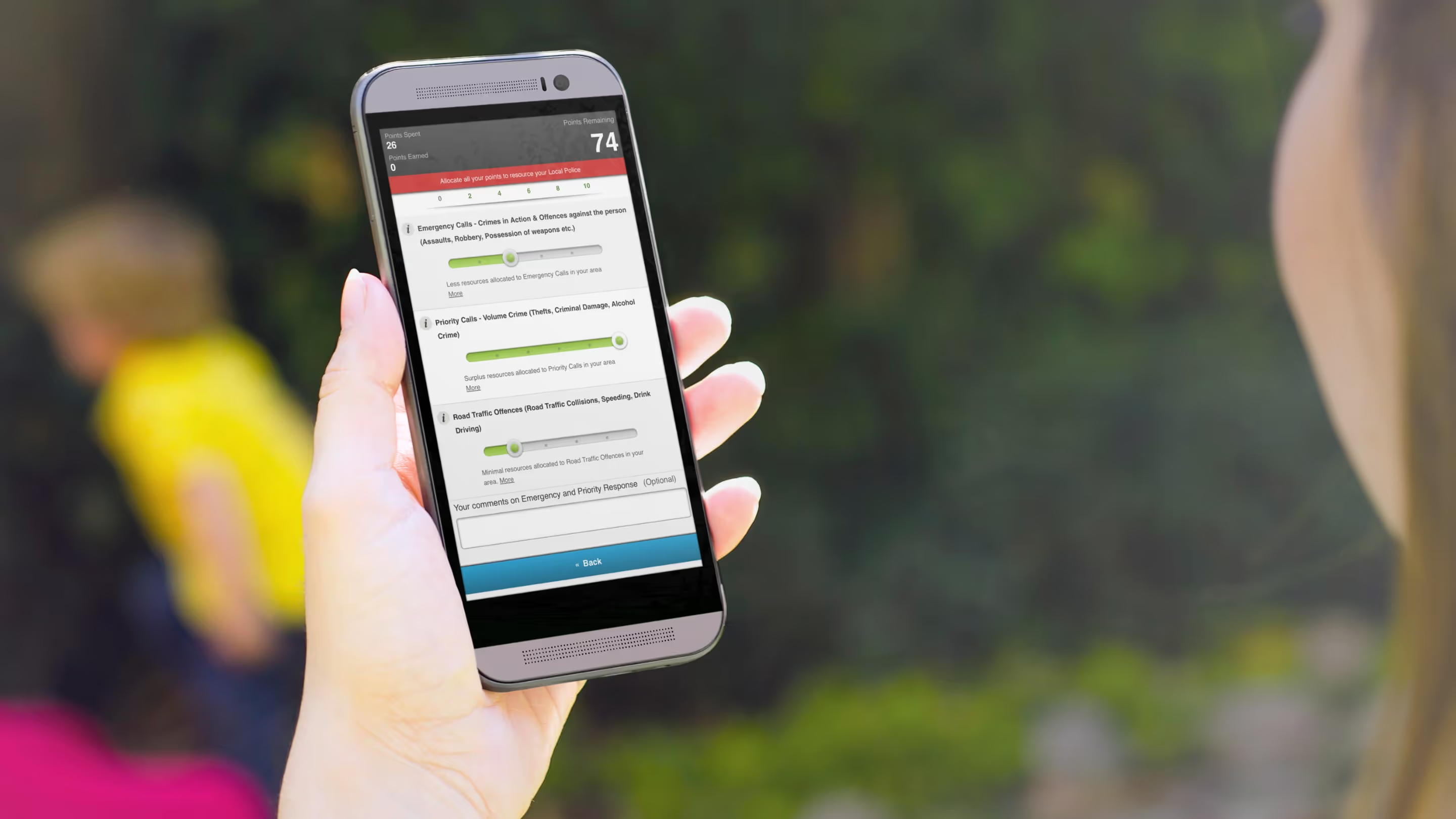
Simulator helps communities understand why you can't do everything at once and what the trade-offs actually mean.
Why police forces use Simulator for priority setting
The public sees crime statistics and response times but not the decisions behind them. Why does burglary get a different response than antisocial behaviour? Why can't every neighbourhood have dedicated officers? Why do some specialist services operate regionally rather than locally?
Simulator lets people allocate your actual budget or officer time across competing priorities—neighbourhood policing, response times, serious violence, domestic abuse, roads policing, cybercrime—and see what happens when they prioritise one over another. When people try to fund everything adequately, they understand why these decisions are difficult.
Turn wish lists into informed priorities
Traditional policing consultations often produce wish lists where everything is "very important". Simulator forces actual choices. People have a fixed budget or points allocation and must decide what matters most. Do they want faster response times or more prevention? More neighbourhood policing or better specialist support? Visible patrols or investigative capacity?
When the Police Service of Northern Ireland used Simulator during a fundamental shift in strategy, they received over 4,000 submissions. Respondents allocated 100 points across policing areas whilst seeing the real-world implications of their choices. The result was high-quality, considered feedback rather than unrealistic demands.
Build understanding through the process itself
Simulator makes people more informed by participating. When residents balance community policing against criminal justice investigations, emergency response against cyber crime, they gain appreciation for the complexities you navigate every day.

“We needed those answering the consultation to have an understanding of the demands PSNI face and how challenging it is to balance the resource across the various demands on local policing. Simulator was an ideal way of doing this: it was interactive and not only did we receive feedback, we received feedback which was more informed.”
Delib makes police prioritisation a priority
Delib understands neighbourhood policing is a key priority for most police departments worldwide. That’s why we’ve worked closely with major police forces like Police Scotland and PSNI to achieve greater public response to consultation, plans and other policing initiatives.
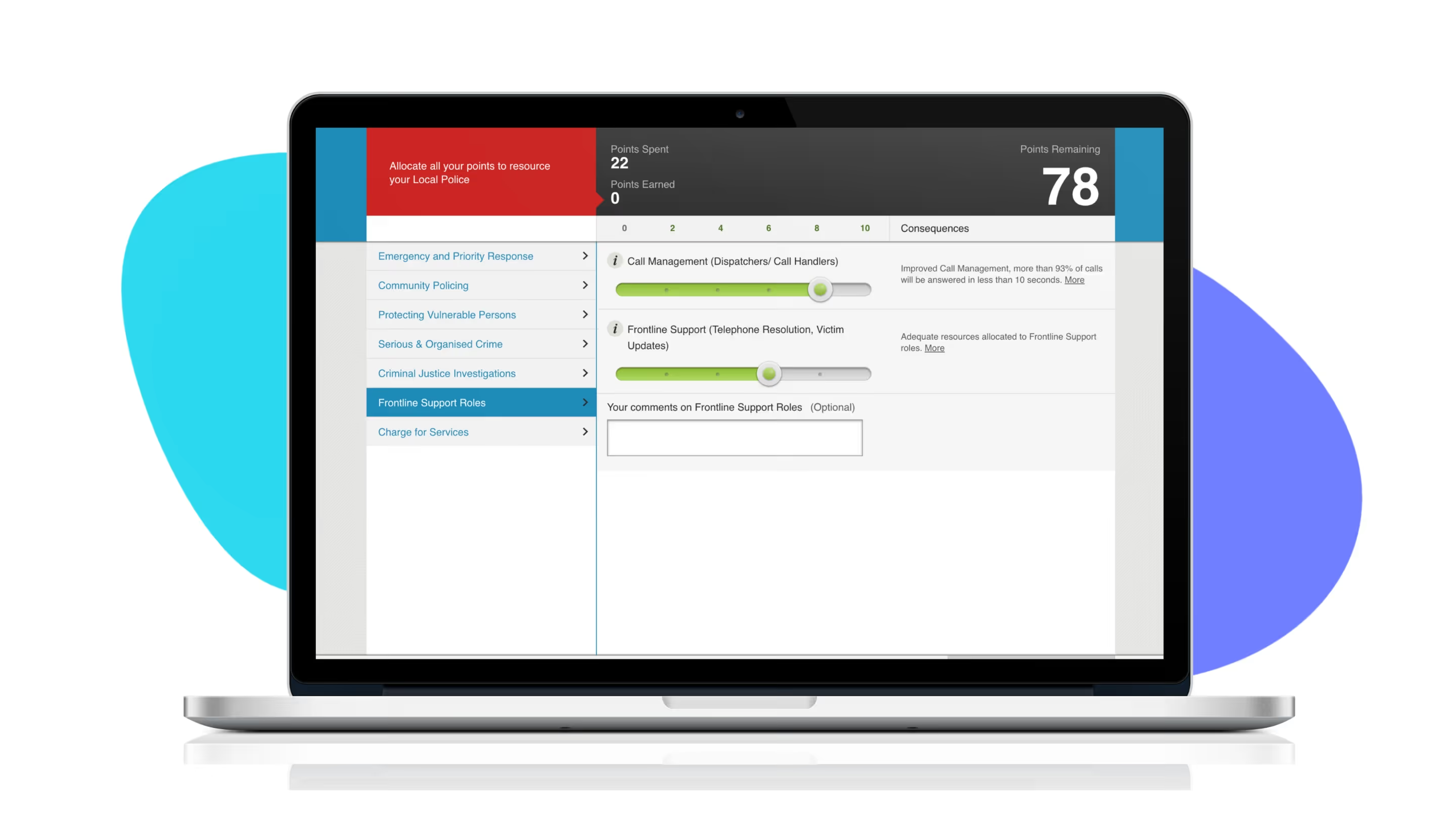
How to use Police Prioritisation Simulator
1. Set police prioritisation metrics: Define key policing actions and show consequences and trade-offs
2. Respondents engage with policing trade-offs: Participants move sliders to show their priorities for local policing.
3. Monitor results: Track responses and trends on centralised dashboards with clear insights and analysis.
4. Act from public input: Export responses for detailed analysis and close the feedback loops by demonstrating how responses shaped local police plans.
See how policing priorities are shaped by Simulator
To see how our Police Prioritisation Simulator helps build public trust in policing strategies including local safety plans, sign up for our free, no obligation demo. Demonstrate how police response is reactive to local concerns.
.webp)